
Executive Summary: An October That Skipped Autumn
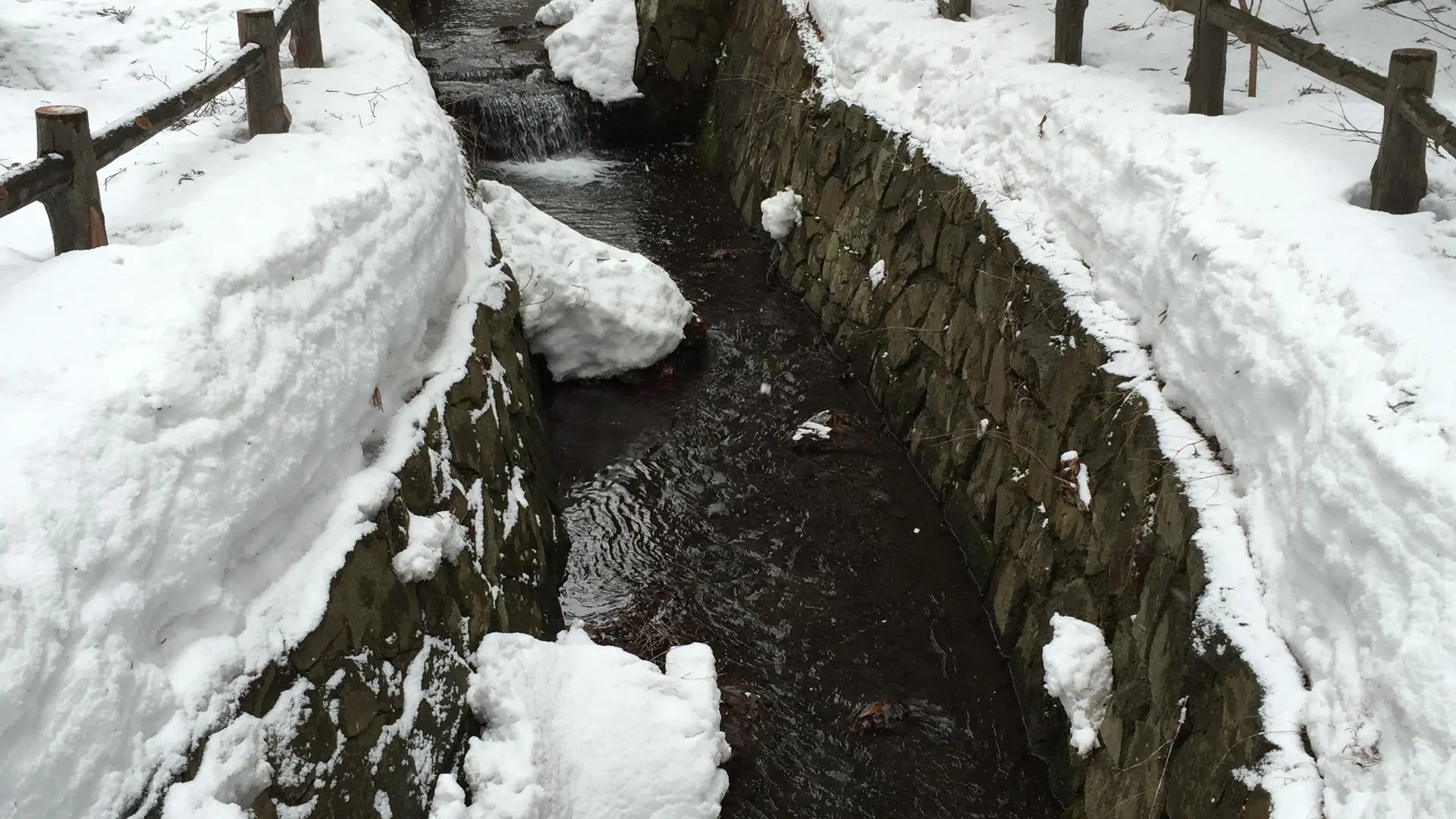
Hokkaido skipped autumn in the second weekend of October 2026. A cold air mass of winter intensity settled over the island, and between October 9 and 11 the city of Sapporo accumulated a snowpack of 65 centimetres, the first October accumulation of that depth in 29 years, according to observations by the Japan Meteorological Agency's Sapporo office relayed through national media [source-1][source-2]. At Shumarinai in Horokanai town, the figure reached 91 centimetres [source-1]. Runways at New Chitose Airport closed for clearing after 11 centimetres settled on October 11, about 183 flights were cancelled that day, and more than 2,000 passengers spent the night inside the terminal; operations resumed only during the afternoon of October 12, with a partial cancellation list still running [source-1][source-6]. This explainer reads the event the way an operations desk would: what fell, what closed, what the climatology said in advance, and what a traveller facing the next such weekend should actually do.
1. A Snowpack Twenty-Nine Years Off Schedule
The numbers from the Sapporo Regional Headquarters' network place the weekend well outside the island's October envelope. Sapporo city recorded 65 centimetres of accumulation between October 9 and 11 [source-1]. Shumarinai, an inland observation point in the upper Teshio basin, recorded 91 centimetres, and photographs from the city showed bicycles buried to their handlebars [source-1]. For context, Sapporo's normal date for the season's first snow observation is October 28, and its normal date for the first measurable snowpack of at least one centimetre is November 12, on the 1991-2020 normals published by the Japan Meteorological Agency [source-27][source-28]. The weekend therefore delivered, in three days, a snowpack that climatology does not normally produce until six weeks later, and it did so during the long holiday weekend that runs from October 10 to 12.
| Station | Observation window | Snow depth | Significance |
|---|---|---|---|
| Sapporo city | Oct 9-11, 2026 | 65 cm | First 65 cm October snowpack in 29 years [source-1][source-2] |
| Shumarinai, Horokanai | Oct 9-11, 2026 | 91 cm | Highest reported figure of the event [source-1] |
| Sapporo normals (JMA) | 1991-2020 | n/a | First snow Oct 28; first 1 cm pack Nov 12 [source-27] |
| Asahidake (Daisetsuzan) | Oct 2, 2026 | n/a | Earliest visible warning of the cold season [source-25] |
The alarm had sounded earlier on the calendar. Mount Asahidake, the island's highest peak, took its first snow cover of the season on October 2, reported through the ropeway's Sugatami station at about 1,600 metres [source-25][source-26]. A single mountain summit turning white is not a forecast, but a winter-type pressure pattern was already building: the Japan Meteorological Agency warned on October 10 that winter-type atmospheric pressure would strengthen through October 12, with gales, heavy snow and traffic disruption across the Sea of Japan side of the archipelago [source-39][source-40].

2. The Runway Arithmetic: 11 Centimetres, 183 Flights
The disruption sequence at New Chitose Airport followed the snow, not the calendar. Cancellations began on October 10 as the first bands arrived, and more than 1,000 passengers slept in the terminal that night [source-1]. On October 11, snow of 11 centimetres on the airfield forced the runway to close for snow-clearing operations, and by day's end about 183 flights had been cancelled, with the stranded population rising past 2,000 [source-1]. Both Tokyo Haneda and the airport operator published disruption notices, and the operator's flight-status board is the authoritative record for the recovery day [source-6][source-10]. Scheduled operations resumed only during the afternoon of October 12, and a portion of that day's departures remained cancelled while aircraft and crews repositioned [source-1][source-7].
| Date | Airport status | Flights cancelled | Passengers overnight |
|---|---|---|---|
| Oct 10, 2026 | Partial cancellations | dozens (unspecified) | more than 1,000 [source-1] |
| Oct 11, 2026 | Runway closed, 11 cm snow | about 183 [source-1] | more than 2,000 [source-1] |
| Oct 12, 2026 | Resumed from afternoon | some cancellations remained [source-1] | clearing |
| Jan 26, 2026 (reference) | Winter storm | more than 90 [source-29] | more than 2,000 [source-29] |
Carriers moved through the same funnel. All Nippon Airways and Japan Airlines both maintain standing irregular-operations pages for New Chitose weather, and the airport's carrier list includes Air Do, Skymark, Peach and Jetstar Japan, each running its own cancellation inventory [source-11][source-12][source-13][source-14]. Haneda, the largest feeder market, posted a snow-impact notice for Sapporo-New Chitose services that directed passengers to each airline's status page rather than issuing a consolidated list [source-10]. Inside the terminal, the operator opened rest areas and distributed blankets, mirroring the January precedent, while convenience store shelves emptied within hours of the first closure announcement [source-1][source-33]. The arithmetic that matters for a traveller is the recovery slope: roughly a full working day of runway closure produced a cancellation backlog that took most of the following day to clear, and rebooking queues at counters outlasted the snow itself [source-1][source-7].
3. Rail, Road and the Isolation Problem
Airfields do not strand people on their own; they strand people when the surface links fail at the same time. New Chitose Airport sits about 40 minutes by rail from Sapporo, and its principal connection is the Rapid Airport line operated by JR Hokkaido [source-8][source-9]. In the winter episodes that bracket this event, the same storm pattern repeatedly cut that link: in January 2026, JR Hokkaido suspended hundreds of trains across its network, including all Rapid Airport services, which left roughly 7,000 people inside the terminal overnight and the airport in what local media described as an isolated state [source-37][source-38][source-33]. During the February 2025 storm, 118 flights were cancelled and about 1,650 passengers slept on terminal floors after rail and bus services stopped together [source-34][source-35][source-36].
The October weekend replicated the pattern at smaller scale. As of the morning of October 12, the airport's own information board showed the Rapid Airport line and Sapporo-area services back to normal operation, while flights were still restarting [source-6][source-7]. Airport buses and taxi ranks failed in the same window in the earlier episodes, and the recovery-day taxi queue outside the terminal ran past 200 people in the January event, a figure worth remembering before a rideshare booking is attempted in a snowbank [source-37]. Roads told the harsher story: accumulation of 65 centimetres in an urban area that does not own a winter fleet on standby in early October buried parked cars and narrowed arterial streets for days [source-1][source-16]. The lesson encoded in these episodes is that the operational failure mode is not one cancelled flight but the simultaneous loss of every exit from the terminal, which converts a schedule problem into a supply problem of food, bedding and information [source-31][source-32].
4. Reading the Forecast as a Travel Risk
The event was preceded by watchable signals, which is what makes it an explainer rather than a disaster report. First, the seasonal markers ran early: first snow cover on Asahidake on October 2 [source-25], first snow in Obihiro and Kushiro about a month ahead of the previous year in an earlier October event [source-24]. Second, the synoptic warning was public: the Japan Meteorological Agency's bulletins through October 10 to 12 called for a strengthening winter-type pressure pattern, gales and heavy snow on the Sea of Japan side, with the highest gust forecasts for Hokkaido at 25 metres per second [source-39][source-40][source-5]. Third, the climatology was published in advance: normal first-snow dates of October 19 in Asahikawa and Wakkanai and October 28 in Sapporo, with a median interval of 39 days between first snow and a persistent snowpack [source-27][source-28].
Two decision rules follow for anyone scheduling a trip in the Hokkaido shoulder season. A winter-type pressure bulletin covering the Sea of Japan side is a 24-to-48-hour advance flag for exactly the kind of multi-modal breakdown documented above, so a bulletin on Saturday morning prices Sunday's itinerary, not next month's. And an airport built for winter can still be shut by a first-snow event, because October is when ploughing crews, de-icing stock and winter staffing are transitioning in; the December 2016 precedent, when a 65-centimetre snowpack stopped 248 flights at New Chitose Airport over a single day, shows the sensitivity is seasonal staffing, not equipment [source-22][source-30]. A fourth signal is institutional: the operator's site carried centenary events and renovation notices through October 9, evidence that management treated the weekend as normal operation until the snow arrived, which is precisely why a traveller cannot outsource weather vigilance to the operator [source-6].
5. The Passenger Playbook: Costs, Claims and Compromise
Survival at a closed hub is procedural, and the January 2026 episodes supplied a tested order of operations. Rebook through the airline app before joining a counter line, because one agent serves one passenger while a phone holds a queue and refreshes a screen at once [source-29]. Secure accommodation in the same window, not after the counter queue has formed, since rooms within an hour of New Chitose Airport sell out fastest in a full closure [source-29]. Weather cancellations of this type sit outside airline goodwill compensation, but disruption on many international itineraries can still be claimed under EU261 or the Montreal Convention, and an AirHelp compensation claim filing service handles the paperwork. On the ground side, a pre-booked KiwiTaxi Sapporo airport transfer is the fix for recovery-day pricing, luggage can be dropped centrally with Radical Storage luggage storage between a checkout and a late flight, and a local eSIM keeps airline status pages reachable when terminal congestion throttles networks.
| Situation | First action | Second action | What not to do |
|---|---|---|---|
| App shows cancelled | Rebook in-app immediately | Reserve a room | Wait at the counter [source-29] |
| Rail suspended, overnight in terminal | Confirm blankets and food distribution | Charge devices at gate seats | Leave for a taxi queue [source-33][source-37] |
| Runway reopened, backlog clearing | Check operator status board hourly | Expect full rebooking within a day | Double-book two airlines [source-6][source-1] |
| Claims after the trip | File EU261 or Montreal claim | Keep boarding passes and notices | Accept a voucher as final [source-29] |

6. Strategic Outlook: What the Next Storms Will Test
The watch items for the rest of the season are three. The Japan Meteorological Agency's winter-type pressure bulletins remain the earliest public trigger, and the pattern that produced this event was flagged 48 hours before the runway closed [source-39][source-40]. The operator's status board and JR Hokkaido's English service pages are the two feeds that show whether the exit problem is airside or landside, and both were live with correct data through the recovery morning [source-6][source-8][source-9]. Carrier notices from ANA, JAL and the domestic low-cost carriers will lag the snow but govern the rebooking inventory, so the sequence for the next event is bulletin, rail status, then airline page [source-11][source-12]. What this weekend demonstrated is that New Chitose Airport can absorb a winter-scale shutdown in October and clear the backlog in about a day, which is a capability statement, not a promise: the December 2016 and January 2026 precedents show that the recovery clock tracks the snowfall rate, not the calendar [source-22][source-29]. Travellers who treat the first winter-type bulletin as their departure-gate decision point will spend one night at most inside the terminal. Insurance belongs in the same calculation: winter-weather cancellation cover is priced cheaply in the shoulder season and pays for exactly the failure mode documented here, so a policy bought on the day of a bulletin is a bet already lost [source-29].
📑 7. Verified Evidentiary References (40 sources) — click to expand
- [1] HowToTrip (citing TBS News and Sapporo Regional HQ): Hokkaido record snow: 2,000 passengers sleep at airport as 183 flights cancelled cn.howtotrip.net/views-4542
- [2] Central News Agency (Taiwan): Sapporo's 65-centimetre snowpack, the deepest in 29 years for the date www.cna.com.tw/news/firstnews/201612100302…
- [3] Japan Meteorological Agency: Latest daily meteorological data for Hokkaido stations www.data.jma.go.jp/stats/data/mdrr/synopda…
- [4] Japan Meteorological Agency: Weather warnings and advisories portal www.jma.go.jp/bosai/warning/#lang=en
- [5] Japan Meteorological Agency (English): JMA English homepage and national forecasts www.jma.go.jp/jma/indexe.html
- [6] Hokkaido Airports (New Chitose Airport operator): New Chitose Airport official site www.hokkaido-airports.com/en/new-chitose
- [7] Hokkaido Airports: Flight status and airline information board, New Chitose Airport www.hokkaido-airports.com/zh-CHT/new-chito…
- [8] JR Hokkaido: JR Hokkaido global passenger site www.jrhokkaido.co.jp/global/english
- [9] JR Hokkaido: Train service status in English, Sapporo area www3.jrhokkaido.co.jp/webunkou/senku_en.ht…
- [10] Tokyo International Airport (Haneda): Notice on snow-related disruption for Sapporo New Chitose services www.tokyo-haneda.com/text/information/2026…
- [11] All Nippon Airways: ANA domestic flight information and irregular operations www.ana.co.jp/en/jp/guide/plan/airinfo
- [12] Japan Airlines: JAL flight status and schedule information www.jal.co.jp/jp/en
- [13] Air Do (Hokkaido Air System): Air Do official English site and flight notices www.airdo.jp/en
- [14] Skymark Airlines: Skymark Airlines English site and operation status www.skymark.co.jp/en
- [15] Ministry of Land, Infrastructure, Transport and Tourism, Hokkaido Bureau: MLIT Hokkaido Regional Development Bureau www.hkd.mlit.go.jp
- [16] City of Sapporo: Sapporo city official English information www.city.sapporo.jp/english
- [17] Hokkaido Prefectural Government: Hokkaido prefecture official site www.pref.hokkaido.lg.jp/index.html
- [18] NHK World-Japan: NHK World news coverage of Japan www3.nhk.or.jp/nhkworld/en/news
- [19] NHK (Japanese service): NHK domestic news portal www3.nhk.or.jp/news
- [20] The Japan Times: Japan Times national news desk www.japantimes.co.jp
- [21] Kyodo News: Kyodo News English service english.kyodonews.net
- [22] Central News Agency (Taiwan): Sapporo 65 cm snow halts 248 flights at New Chitose Airport, December 2016 precedent www.cna.com.tw/news/firstnews/201612100302…
- [23] HowToTrip: Hokkaido heavy snow with ground blizzard conditions, over 30 flight changes cn.howtotrip.net/views-63313
- [24] HowToTrip: Hokkaido records first snow 33 days earlier than the previous year cn.howtotrip.net/views-26352
- [25] JapanNews24: First snowfall recorded on Hokkaido's Mount Asahidake japannews24.com/first-snowfall-recorded-on…
- [26] News On Japan: First snowfall recorded on Hokkaido's Mount Asahidake newsonjapan.com/article/150927.php
- [27] Hokkaido Campingcar Guide (JMA Sapporo data): First snow dates across 19 Hokkaido locations, 1990-2020 normals hokkaido-campingcar.jp/en/hokkaido-first-s…
- [28] 1stCoupon (JMA Sapporo normals): Sapporo snow calendar: first snow, first snowpack and persistent snow dates 1stcoupon.com/zh-HK/blog/guide-sapporo-pre…
- [29] NipponStays: Snow delays New Chitose: rebooking order, hotels and backups www.nipponstays.com/new-chitose-snow-delay…
- [30] Aeruxo: Flying in snow and ice: winter flight operations guide for Hokkaido aeruxo.com/2026/04/05/flying-in-snow-winte…
- [31] Travel Daily News Asia-Pacific: Severe snowstorms paralyze Japan's airports and transport networks www.traveldailynews.asia/asia-pacific/seve…
- [32] EscapeSoul: How Japan is battling travel chaos during record snowfall escapesoul.com/how-the-country-is-battling…
- [33] The South Asia Times (Kyodo News): Heavy snow paralyzes northern Japan, stranding thousands at the airport thesouthasiatimes.com/story/Japan-snowfall…
- [34] Oriental Daily: New Chitose Airport blizzard strands 1,650 passengers orientaldaily.on.cc/content/%E5%85%A9%E5%B…
- [35] Chosun Biz: Heavy snowfall strands 1,600 passengers at a Japanese airport biz.chosun.com/en/en-international/2025/02…
- [36] National Business Daily (CCTV): Blizzard hits Japan: mass flight cancellations, thousands stranded www.nbd.com.cn/rss/tonghuashun/articles/37…
- [37] LINE Today: New Chitose Airport left isolated with 7,000 travellers stranded today.line.me/tw/v3/article/Ggq2g86
- [38] LINE Today: Strongest cold wave of the winter paralyzes roads, airport and rail today.line.me/tw/v3/article/MLqmXya
- [39] Fukui Shimbun (JMA bulletins): Storm and snow warnings as winter-type pressure pattern strengthens www.fukuishimbun.co.jp/articles/-/2501720
- [40] Sing Tao Overseas (JMA, NHK): Three-day holiday outlook: heavy snow and gales from Hokkaido to Kyushu www.singtao.ca/7383780/2026-01-09/news-%E9…